A Comprehensive Guide to Mood Disorders
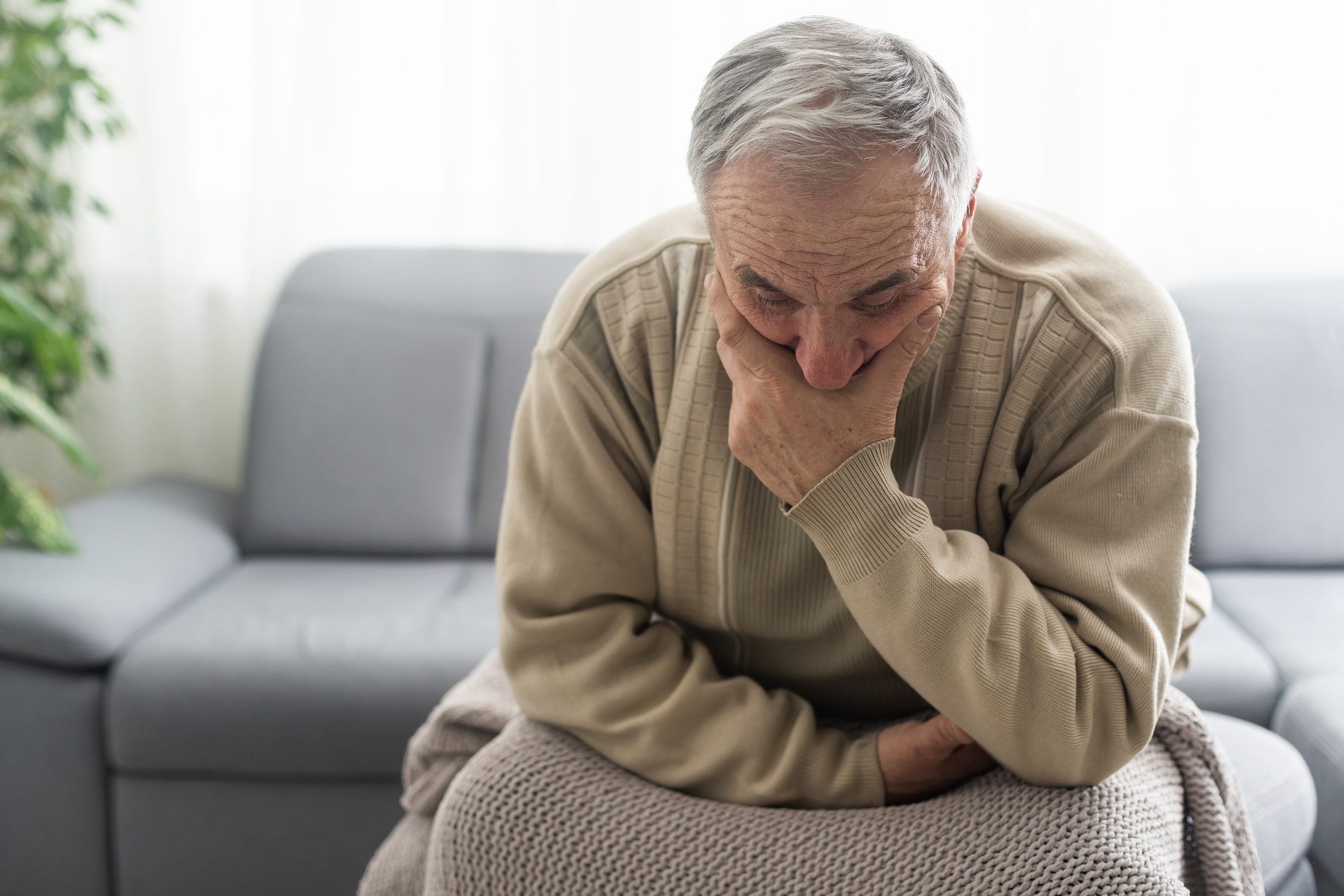
Mood disorders are a group of mental health conditions that affect a person’s emotional state. They can significantly impact daily life, relationships and overall well-being.
Our goal is to shed light on these complex conditions. We explore what mood disorders are, their causes and the common symptoms associated with them.
What Are Mood Disorders?
Mood disorders, also known as affective disorders, are a group of mental health conditions. They primarily cause disturbances to a person’s emotional state. These disturbances go beyond normal mood fluctuations. They can result in prolonged periods of depression, mania or both. These periods are often accompanied by intense feelings of worthlessness, guilt or grandiosity.
Mood disorders can be debilitating. They can interfere with daily activities, relationships and overall quality of life. For example, they may lead to physical symptoms such as fatigue or insomnia.
Mood disorders can affect anyone, regardless of age, gender or background. They are a major public health concern due to their prevalence and impact.
Understanding mood disorders is the first step towards managing them, as it can lead to early intervention, effective treatment and better long-term outcomes.
What Causes Mood Disorders?
The exact cause of mood disorders is not fully understood. However, they are believed to result from a combination of biological, psychological, and environmental factors.
Biologically, mood disorders may be linked to imbalances in certain brain chemicals called neurotransmitters. These chemicals play a key role in regulating mood.
Environmental factors, such as stress or traumatic life events, can also trigger mood disorders. Psychological factors, including personality traits and coping skills, can influence their development as well.
What Are 5 Major Mood Disorders?
There are several types of mood disorders. However, five major ones stand out.
- Major Depressive Disorder (MDD): Characterized by persistent feelings of sadness, hopelessness, and a lack of interest in activities once enjoyed.
- Bipolar Disorder: Involves episodes of depression and mania, a state of elevated or irritable mood.
- Cyclothymic Disorder: A milder form of bipolar disorder with less severe mood swings.
- Dysthymia: A chronic form of depression with symptoms that are less severe but last longer.
- Mood Disorder due to a General Medical Condition: Depression or mania symptoms directly resulting from a physical health problem.
Each of these disorders has unique characteristics, but they all significantly impact a person’s emotional state.
Mood Disorder Symptoms
Recognizing the symptoms of mood disorders is crucial for early intervention. Symptoms can vary widely depending on the specific disorder and the individual.
Common symptoms include persistent feelings of sadness, hopelessness or emptiness. There may also be periods of elevated mood, increased energy or irritability.
Physical symptoms such as changes in appetite or sleep patterns, fatigue and difficulty concentrating can also occur.
While each mood disorder has unique characteristics, some symptoms are common across different types. These include feelings of worthlessness or guilt, loss of interest in activities and thoughts of death or suicide.
Physical symptoms like changes in weight, sleep disturbances and decreased energy are also common. These symptoms can significantly impact a person’s daily life and functioning.
It’s important to note that these symptoms can sometimes be subtle or mistaken for normal emotional responses. This makes recognizing them even more challenging.
When to seek help
If you or a loved one is experiencing symptoms of a mood disorder, it’s important to seek help. This is especially true if these symptoms persist for several weeks or interfere with daily life.
Remember, mood disorders are treatable. Early intervention can lead to more effective treatment and better outcomes.
Mood vs Personality Disorders
Mood disorders and personality disorders are two distinct categories of mental health conditions. They differ in their symptoms, causes and treatment approaches.
Mood disorders, as discussed, primarily affect a person’s emotional state. They are characterized by periods of depression, mania or both. Personality disorders, on the other hand, involve enduring patterns of behavior, cognition and inner experience that deviate from cultural expectations.
It’s important to understand this distinction. Accurate diagnosis is crucial for effective treatment. Misdiagnosis can lead to inappropriate treatment and potentially worsen the condition.
Treatment Options for Mood Disorders
There are several treatment options available for mood disorders. These include psychotherapy, medication lifestyle changes and support systems.
Each treatment option has its own benefits and considerations. The choice of treatment often depends on the specific mood disorder, its severity, and the personal circumstances.
It’s important to remember that treatment is not one-size-fits-all. What works for one person may not work for another.
Psychotherapy and counseling
Psychotherapy, also known as talk therapy, is a common treatment for mood disorders. It involves discussing feelings, thoughts and behaviors with a mental health professional.
Counseling can help individuals understand their mood disorder. It can provide strategies to manage symptoms and cope with life’s challenges.
Medication management
Medication is often used in conjunction with psychotherapy. It can help manage the biological aspects of mood disorders.
Medications such as antidepressants, mood stabilizers and antipsychotics can be effective. However, they must be used under the supervision of a healthcare provider due to potential side effects.
Lifestyle changes and self-care
Lifestyle changes and self-care are important components of mood disorder treatment. Regular exercise, a healthy diet and adequate sleep can significantly improve mood and energy levels.
Self-care also involves stress management. This can include relaxation techniques, mindfulness and hobbies that bring joy.
Support systems and community resources
Support from family, friends and support groups can be invaluable. They provide a sense of belonging and understanding that can help individuals cope with their mood disorder.
Community resources, such as mental health services and online forums, can also provide support and information. They can help individuals feel less alone in their journey.
Mood Disorder Coping Strategies and Management
Living with a mood disorder can be challenging. However, with the right coping strategies and management, individuals can lead fulfilling lives.
Developing a personalized care plan is crucial. This plan should be tailored to the individual’s needs, preferences and lifestyle.
Supportive relationships also play a significant role. They provide emotional support, understanding and encouragement throughout the journey.
Developing a personalized care plan
A personalized care plan is a roadmap for managing a mood disorder. It outlines the treatment strategies, goals and steps to achieve them.
This plan should be developed in collaboration with a mental health professional. It should be flexible and adaptable to changes in the individual’s condition or circumstances.
The role of supportive relationships
Supportive relationships can make a significant difference in managing mood disorders. They provide a safe space to share feelings, experiences and challenges.
These relationships can be with family, friends, support groups or mental health professionals. They provide emotional support, understanding and encouragement, which are crucial in the journey towards recovery.
Recovery Is Possible
Understanding mood disorders is the first step towards managing them effectively. With the right information, support and treatment, you can navigate your journey towards recovery.
Windmoor Healthcare, located in Clearwater, Florida, provides inpatient and outpatient treatment for behavioral health and substance abuse to adults. Recovery can be hard, but with specialized treatment, you can heal and move forward with your life. To learn more about our treatment and services, click here.
If you or a loved one is experiencing a mental health crisis, CALL 988 or get to the nearest emergency room.
For physical health emergencies, CALL 911 or get to the nearest emergency room.